Dakar 2026: What Opportunities for Brands in Africa?
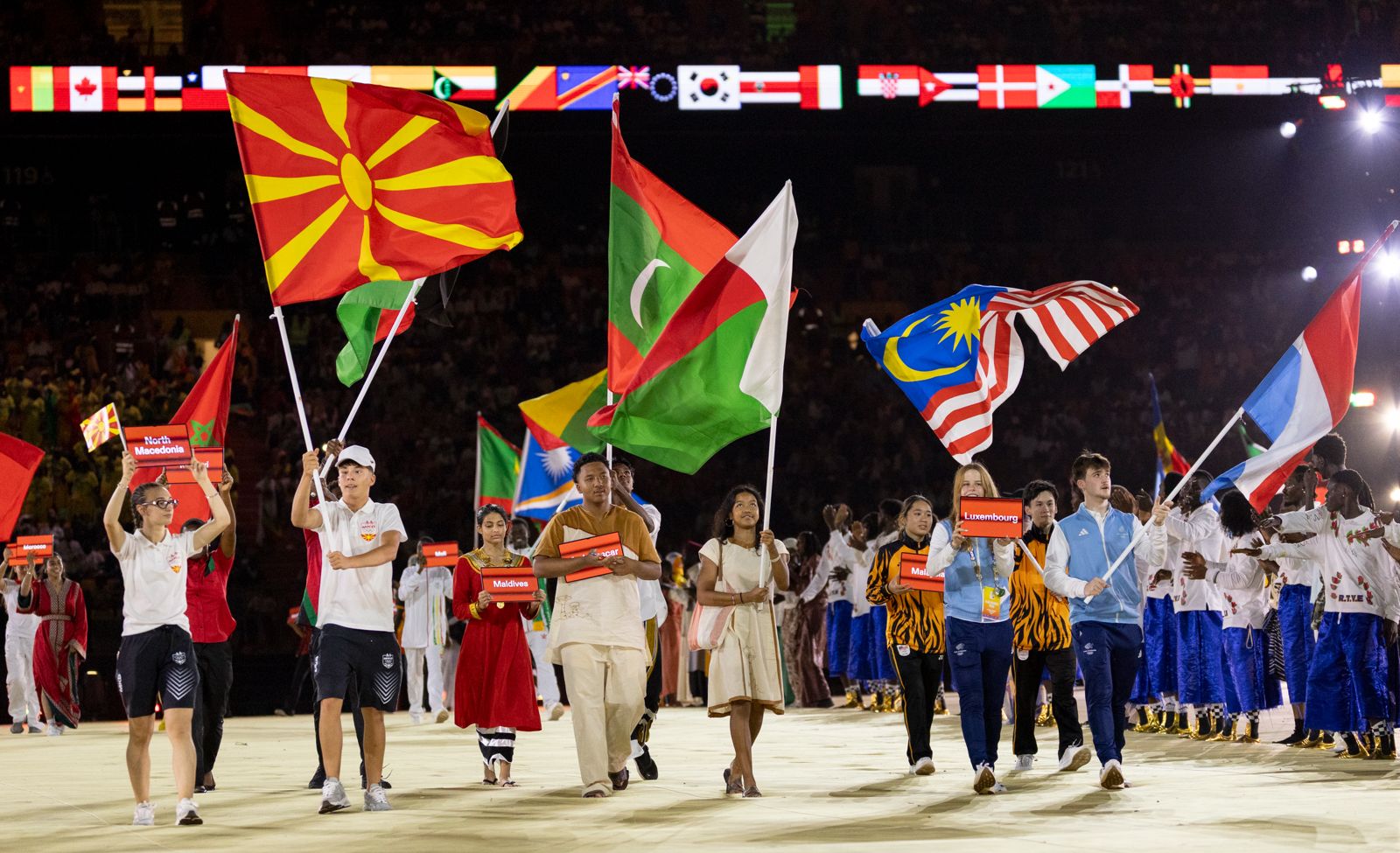
From the Youth Olympic Games in Dakar to Formula 1’s return to the continent, Africa is gaining ground on the global sports map. Behind these major events, a still largely untapped market is taking shape, creating new opportunities for businesses. Customer acquisition, partnerships and showcasing expertise: where do the opportunities lie for brands?
À propos
Maryléa SEXTIUS works on communications, branding and influence at Concerto, with a particular interest in business development strategies across African markets. Contact: m.sextius@concerto-pr.com
QUICK INSIGHTS
- Sporting events can become powerful acquisition tools, provided that one-off activations are converted into lasting usage and customer relationships.
- Athletes and sports organisations are becoming genuine business partners, providing access to content, communities and new markets.
- For B2B players, competitions can serve as showcases for their expertise, helping build commercial credentials and open the door to new contracts.
A sports market opening up to new sectors
On 13 October, Formula 1 announced a ten-year agreement for a Grand Prix in Rwanda, expected to take place in the early 2030s. The announcement comes just weeks before another historic milestone: from 31 October to 13 November 2026, Dakar will host the first Olympic event ever held in Africa.

This momentum could accelerate further. Several African countries, including South Africa, have expressed interest in hosting the 2036 Olympic Games, although the official bidding process has not yet opened.
Behind these events lies a market that remains largely untapped. According to estimates cited by the African Union Sports Council, the continent’s sports industry is worth between $12 billion and $15 billion, yet sport accounts for only 0.5% of Africa’s GDP, compared with nearly 2% globally. This gap is all the more significant given that more than 60% of Africa’s population is under the age of 25, making the continent a considerable pool of future sports participants, consumers and audiences.
Previous Africa Cup of Nations tournaments already provide an indication of the economic potential of major sporting events. According to CAF, the edition held in Côte d’Ivoire generated $1.5 billion for the local economy, while the Moroccan government estimates that AFCON 2025 generated more than €1.5 billion in direct economic benefits. Driven in particular by tourism, trade and services, these benefits illustrate the economic activity that major sporting events can generate beyond the competition itself.
But the opportunity goes beyond economic returns alone. Major sporting events are also tools of sports diplomacy and soft power: they provide host countries with an international platform that can strengthen their attractiveness and help attract investment. Their legacy can also support social programmes focused on education, youth, health and inclusion, provided these objectives are embedded in a long-term strategy.
For businesses, this momentum creates several entry points. During AFCON 2025, Orange combined fan zones and dedicated content on Max it — its super-app bringing together telecom services, payments and content — with the multilingual MaxGoal conversational assistant. In doing so, the operator placed its services at the heart of the sporting experience, creating multiple opportunities for consumers to discover and use them.
The commercial value therefore extends beyond exposure during the competition. An activation can encourage consumers to try a service and attract new users, but its value ultimately depends on whether these behaviours continue after the event. At Dakar 2026, the involvement of FirstBank and FBNBank Senegal, Air Senegal and Sonatel shows that this approach already extends to payments, transport and connectivity.
From athletes to business partners
Opportunities are also emerging from the changing role of athletes, who are no longer simply ambassadors but are increasingly becoming executives, entrepreneurs and creators of their own ventures.
Senegalese executive Amadou Gallo Fall illustrates this shift. A former college basketball player in the United States, he went on to work with the Dallas Mavericks before leading NBA Africa and now serves as President of the Basketball Africa League (BAL). Created by the NBA and FIBA, the league has developed into a broader economic ecosystem around basketball. According to FIBA, since its launch in 2021, it has contributed more than $250 million to Africa’s GDP, while nearly 37,000 jobs were linked to hosting its games after its first four seasons. These benefits illustrate sport’s ability to generate economic activity across media, events, tourism and services.
This shift was also at the heart of the “Players Only” session at AFRICA Day 2026, of which Concerto was a partner, featuring Aurélien Tchouaméni and Ronny Turiaf. With The Bridge, now premiering on Disney+, Tchouaméni illustrates another development: athletes creating their own media formats and, in turn, new platforms for brand collaboration.
For businesses, the challenge is therefore no longer simply to select an ambassador, but to identify sports projects and ecosystems that align with their objectives. Media platforms, events, leagues and talent programmes can all become gateways to new communities and markets.
Dakar 2026 as a showcase for business expertise
Major sporting events also provide businesses with a highly visible platform to showcase their expertise. At Paris 2024, Samsung integrated its Galaxy Z Flip6 into the medal ceremony through the “Victory Selfie”, directly combining brand visibility with product usage.
In Dakar, Sonatel, the first premium partner and official telecommunications services provider, is leveraging its expertise to support the Games’ connectivity needs.
For B2B players, one of the main opportunities lies in the commercial credentials that a deployment of this scale can provide. Demonstrating the ability to deliver a service in a demanding environment can reassure prospective clients and support access to future contracts. However, these benefits are not automatic: companies need to document their performance, identify relevant decision-makers and organise commercial engagement around the event.
Dakar 2026 therefore offers businesses several avenues for growth, from customer acquisition and partnership-building to accessing new markets. But the opportunity extends beyond the Games’ immediate commercial impact.
The growing number of major sporting events can help structure an ecosystem that remains fragmented, by accelerating investment in infrastructure and services, developing local skills and strengthening the continent’s attractiveness to brands, investors and international sports organisations.
The real challenge will be to make Dakar 2026 a lasting catalyst for the economic growth, international influence and social impact of African sport.
Découvrez nos autres case studies


Strategic communication
Showcase the expertise of an international supplier of ICT services

Track II diplomacy
Increase the visibility and raise the profile of a pan-African institution
Strategic communication
Promote the image of a Central American country
Strategic communication
Increase the influence of a pan-African logistics infrastructure company and raise its profile